

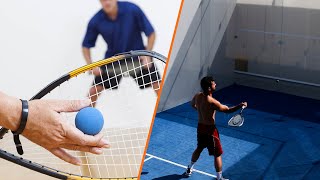
Walking into a sports club for the first time, many people confuse squash and racquetball. Both games involve hitting a small ball against walls in an enclosed court, but that’s where most similarities end. These two racquet sports have distinct personalities, rules, equipment, and playing styles that attract different types of athletes.
If you’re trying to decide between squash and racquetball—or simply curious about what sets them apart—this comprehensive guide breaks down everything you need to know.
Understanding the Basic Differences
At first glance, squash and racquetball courts look similar. However, the dimensions, equipment, and gameplay create entirely different experiences.
Court dimensions represent the first major distinction. A standard squash court measures 32 feet long by 21 feet wide, with walls reaching about 15 feet high at the front. Racquetball courts are significantly larger at 40 feet long by 20 feet wide, with 20-foot-high walls. This extra space in racquetball creates faster rallies and more room for power shots.
The equipment tells another story entirely. Squash racquets have smaller heads (around 500 square centimeters) with longer shafts, typically weighing 110-200 grams. Racquetball racquets feature larger heads, shorter handles, and usually weigh less. The balls differ dramatically too—squash balls are small, hollow rubber spheres with minimal bounce, while racquetball balls are larger, livelier, and bouncy.
How the Games Are Played
Squash gameplay emphasizes strategy, precision, and endurance. Players must hit the ball above a tin line on the front wall before it bounces twice. The small, slow ball requires players to generate their own power while constantly thinking three shots ahead. Professional squash matches can last over two hours, with rallies sometimes exceeding 100 shots.
Racquetball rules are more straightforward. You can hit any wall first, and the bouncy ball creates explosive, fast-paced rallies. Only the server scores points in traditional racquetball, though rally scoring has gained popularity. Games move quickly—most recreational matches finish in 30-45 minutes.
The serving mechanics differ substantially. Squash players serve from designated boxes, aiming for specific areas. Racquetball allows serves from anywhere in the service zone, and you can use the ceiling or side walls strategically.
Physical Demands and Health Benefits
Both sports deliver exceptional cardiovascular workouts, but they challenge your body differently.
Squash ranks among the world’s healthiest sports according to Forbes Magazine research. A 45-minute squash session burns approximately 517 calories for a 155-pound person. The constant stopping, starting, lunging, and twisting builds leg strength, core stability, and exceptional cardiovascular endurance. Players cover less ground than racquetball but change direction more frequently, developing agility and balance.
Racquetball provides an intense full-body workout burning around 600-800 calories per hour. The larger court means more running and explosive movements. Your shoulders, arms, and back get thoroughly worked from powerful swings. The game’s faster pace keeps your heart rate elevated consistently.
Injury risks vary between sports. Squash players commonly experience ankle sprains, knee problems, and lower back strain from constant lunging. Racquetball athletes face shoulder injuries, tennis elbow, and eye injuries (protective eyewear is mandatory in competitive play).
Skill Development and Learning Curve
For beginners, racquetball feels more accessible. The bouncy ball forgives mistakes, and hitting walls successfully happens quickly. Most newcomers enjoy competitive rallies within their first few sessions. The straightforward rules mean less confusion about scoring and court boundaries.
Squash presents a steeper learning curve. The ball barely bounces when cold, frustrating beginners who struggle making clean contact. Proper technique becomes crucial immediately—you can’t muscle your way through squash like racquetball. However, this challenge attracts competitive players who enjoy mastering technical skills.
Intermediate players discover squash rewards tactical thinking. You’ll spend hours perfecting drop shots, boasts, and court positioning. Racquetball at intermediate levels emphasizes power development, ceiling shots, and aggressive serving strategies.
Equipment Costs and Accessibility
Budget-conscious athletes will find differences in startup costs.
Racquetball equipment typically costs less initially. Quality racquets range from $30-$150, balls cost $2-$5 per pack, and you’ll need protective eyewear ($15-$40). Many facilities include racquet rentals with court fees.
Squash gear runs slightly higher. Decent racquets start around $50 and reach $250 for professional models. Squash balls cost $3-$8 per tube. Non-marking court shoes (essential for both sports) range from $60-$150.
Court availability heavily influences your choice. In the United States, racquetball courts significantly outnumber squash facilities—approximately 3,500 racquetball clubs versus 1,000 squash courts. Health clubs, YMCAs, and community centers frequently feature racquetball courts. Squash facilities tend to concentrate in urban areas and universities.
Internationally, squash dominates. Countries like Egypt, England, and Australia have thriving squash cultures with extensive court networks.
Competitive Opportunities and Community
Racquetball peaked in popularity during the 1970s and 1980s in America. The USA Racquetball organization still sanctions numerous tournaments across skill levels. The sport maintains strong recreational participation, though professional prize money and sponsorships have declined.
Squash continues growing globally, with over 20 million players worldwide. The Professional Squash Association (PSA) runs a robust tour with significant prize money. Squash advocates have campaigned for Olympic inclusion multiple times, narrowly missing out but gaining consideration for 2028 Los Angeles Olympics.
College athletics tell an interesting story. Squash features strong varsity programs at Ivy League schools and select universities. Racquetball appears more in club sports. This creates different pathways for young athletes.
Social Aspects and Playing Culture
The communities surrounding these sports have distinct personalities.
Racquetball culture feels more casual and recreational. Players often enjoy quick lunchtime games or after-work matches. The sport’s accessibility makes it popular for corporate wellness programs and social leagues. Many players appreciate getting an intense workout without the technical demands of squash.
Squash attracts more internationally diverse players. Club-level squash typically involves dedicated communities where members know each other well. The sport’s complexity creates natural mentorship opportunities as experienced players help newcomers develop proper technique.
READ MORE: Yaala Sport
Making Your Decision
Choose racquetball if you want:
- Faster learning curve
- More available courts in the US
- High-intensity, shorter matches
- Less technical complexity
- Bigger, more forgiving playing space
Choose squash if you prefer:
- Strategic, chess-like gameplay
- Technical skill development
- Longer, more tactical rallies
- International playing opportunities
- Greater competitive structure
Frequently Asked Questions
Which sport burns more calories? Racquetball typically burns 600-800 calories per hour, while squash burns around 517 calories per 45 minutes. Both provide excellent cardiovascular workouts.
Can I play both sports? Absolutely. Many athletes enjoy cross-training between squash and racquetball. Skills like court awareness and hand-eye coordination transfer well, though you’ll need to adjust your swing mechanics and strategy.
Which is more popular worldwide? Squash has significantly more global participation with over 20 million players. Racquetball maintains stronger popularity specifically in the United States and Latin America.
Is special footwear required? Yes, both sports require non-marking court shoes to protect playing surfaces. Regular athletic shoes leave marks that damage courts and create slippery conditions.
Final Thoughts
Squash and racquetball both deliver exhilarating workouts wrapped in competitive fun. Your choice ultimately depends on availability, personal preferences, and athletic goals. Try both if possible—many clubs offer introductory sessions or guest passes. You might discover unexpected enjoyment in the sport you initially overlooked.
