


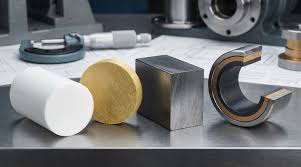
Choosing the right material for industrial machinery is crucial for efficiency, durability, and cost-effectiveness. Among engineering plastics, PTFE (Polytetrafluoroethylene) stands out for its low friction, chemical resistance, and high-temperature tolerance. However, other plastics like Nylon, PEEK, UHMW, and Acetal also have unique properties that may suit certain applications.
- Why Material Choice Matters in Machinery
- PTFE – Low Friction, High Performance
- Nylon – Strong and Versatile
- PEEK – High-Performance Engineering Plastic
- UHMW – Ultra-High-Molecular-Weight Polyethylene
- H2: Acetal (POM) – Precision and Stability
- PTFE vs Other Plastics – How to Decide
- Looking for PTFE Solutions for Your Machinery?
- Conclusion
This article compares PTFE with other engineering plastics, helping you understand which material is ideal for your machine while addressing common challenges like wear, friction, chemical exposure, and maintenance costs.
Why Material Choice Matters in Machinery
Selecting the wrong plastic can lead to premature wear, equipment failure, increased downtime, and higher maintenance costs. Key factors to consider include:
- Friction and wear resistance: How well the material handles moving parts
- Chemical resistance: Ability to withstand acids, oils, and solvents
- Temperature tolerance: Can the material perform under heat or cold extremes?
- Load capacity: Does it support heavy machinery loads?
- Machinability: Can it be cut, drilled, or shaped easily for custom parts?
Understanding these factors ensures your machinery operates efficiently, safely, and cost-effectively.
PTFE – Low Friction, High Performance
PTFE is widely used in industrial machinery because of its unique combination of properties:
Key Advantages:
- Extremely low friction, reducing wear on moving parts
- Excellent chemical resistance, suitable for aggressive environments
- High temperature tolerance (up to 260°C for standard grades)
- Self-lubricating, reducing the need for maintenance
- Biocompatible and non-toxic, ideal for food and pharmaceutical industries
Common Uses:
- Bearings, bushings, and washers
- Chemical processing equipment
- Non-stick surfaces in industrial machinery
Pain Points Solved:
- Reduces downtime caused by friction and wear
- Prevents corrosion in chemical exposure
- Extends machinery life and lowers operational costs
Nylon – Strong and Versatile
Nylon is a popular engineering plastic known for its strength, wear resistance, and toughness.
Key Advantages:
- High load-bearing capacity
- Good abrasion resistance
- Flexible and impact-resistant
Limitations Compared to PTFE:
- Less chemically resistant
- Higher friction than PTFE
- Can absorb moisture, affecting dimensions in humid conditions
Best For: Gears, rollers, bushings, and lightweight structural components where strength and flexibility are important.
PEEK – High-Performance Engineering Plastic
PEEK (Polyether Ether Ketone) is a premium engineering plastic used in demanding industrial applications.
Key Advantages:
- Excellent mechanical strength at high temperatures
- Highly resistant to chemicals and wear
- Very low deformation under load
Limitations Compared to PTFE:
- Higher cost
- Friction is slightly higher than PTFE
- Not self-lubricating
Best For: Aerospace, automotive, and high-temperature applications where mechanical performance is critical.
UHMW – Ultra-High-Molecular-Weight Polyethylene
UHMW is known for its impact resistance and low friction, similar to PTFE in some areas.
Key Advantages:
- Excellent abrasion and impact resistance
- Low friction for sliding applications
- Can handle moisture exposure without dimensional changes
Limitations Compared to PTFE:
- Lower chemical resistance
- Less temperature stability
- Not ideal for extreme heat applications
Best For: Conveyor liners, wear strips, and low-to-moderate chemical exposure applications.
H2: Acetal (POM) – Precision and Stability
Acetal is a rigid and stable plastic suitable for precision components.
Key Advantages:
- High dimensional stability
- Good wear and friction properties
- Easy to machine
Limitations Compared to PTFE:
- Moderate chemical resistance
- Friction higher than PTFE
- Limited high-temperature performance
Best For: Gears, precision components, and low-friction mechanical parts under moderate load.
PTFE vs Other Plastics – How to Decide
When choosing the right material, consider:
| Factor | PTFE | Nylon | PEEK | UHMW | Acetal |
| Friction | Very Low | Moderate | Low | Low | Moderate |
| Wear Resistance | High | High | Very High | High | Moderate |
| Chemical Resistance | Excellent | Moderate | Excellent | Low | Moderate |
| Temperature Tolerance | High | Moderate | Very High | Moderate | Moderate |
| Load Bearing | Moderate | High | High | Moderate | Moderate |
| Self-Lubricating | Yes | No | No | No | No |
Guideline:
- Choose PTFE when low friction, chemical resistance, or high temperature is critical.
- Choose Nylon or PEEK for heavy loads or structural strength.
- Choose UHMW for high-impact and abrasion-resistance applications.
- Choose Acetal for precision mechanical components under moderate conditions.
Looking for PTFE Solutions for Your Machinery?
If you’re searching for high-quality PTFE sheets or rods to improve machine performance, reduce wear, or handle chemical exposure, PTFE is often the ideal choice. These materials are especially suited for:
- Bearings, bushings, and washers
- Chemical processing and food machinery
- High-temperature components requiring low friction
For reliable, precision-engineered PTFE components, suppliers like PTFE Felis provide a range of sheets and rods designed for industrial applications, ensuring durability, smooth operation, and cost savings.
Conclusion
Choosing the right engineering plastic can directly impact your machine’s efficiency, maintenance costs, and lifespan. PTFE offers unique advantages in low friction, chemical resistance, and temperature tolerance, making it the go-to material for critical applications.While Nylon, PEEK, UHMW, and Acetal each have their strengths, PTFE remains the best choice for applications requiring minimal friction, maximum chemical stability, and reliable performance under stress.
