


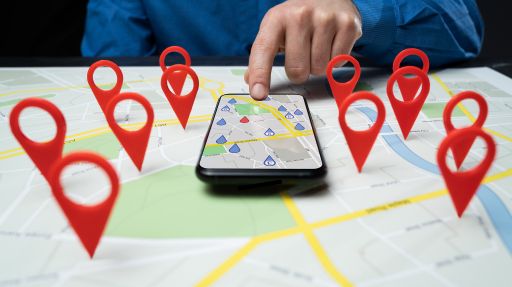
Local SEO (Search Engine Optimization) is one of the most powerful tools small businesses can use to attract nearby customers. Whether you run a café, salon, retail shop, or service-based business, optimizing your online presence for local searches helps you appear when potential customers are actively looking for what you offer.
What is Local SEO?
Local SEO focuses on improving your visibility in geographically-related search results. For example, when someone searches “best bakery near me” or “plumber in Jaipur,” search engines prioritize businesses that are optimized for local relevance, proximity, and credibility.
A key platform for this is Google Business Profile, which plays a central role in how businesses appear on Google Maps and local search results.
Why Local SEO Matters?
For small businesses, local SEO is essential because:
- Most consumers use search engines to find local services.
- Mobile searches often have immediate intent (e.g., visiting or calling).
- It helps you compete with larger brands in your specific area.
- It drives high-quality, ready-to-convert traffic.
Simply put, local SEO connects your business with people who are already looking for what you offer.
Key Elements of Local SEO
1. Optimize Your Google Business Profile
Claiming and optimizing your Google Business Profile is the first step. Ensure your business name, address, and phone number (NAP) are accurate and consistent. Add:
- Business hours
- Photos
- Services/products
- Customer reviews
- Regular updates and engagement (like responding to reviews) boost credibility.
2. Use Local Keywords
- Incorporate location-specific keywords into your website content. For example:
- “Digital marketing agency in Delhi”
- “Best grocery store in Hingona”
Use these keywords naturally in titles, meta descriptions, headings, and content.
3. Build Local Citations
Citations are mentions of your business on other websites like directories, social platforms, and listing sites. Ensure your NAP details are consistent across all platforms. This builds trust with search engines.
4. Encourage Customer Reviews
Online reviews significantly influence local rankings and customer decisions. Encourage satisfied customers to leave reviews on platforms like Google. Responding to reviews both positive and negative shows engagement and professionalism.
5. Optimize Your Website for Local SEO
Your website should clearly indicate your location and services. Key steps include:
- Creating location-specific landing pages
- Adding your address in the footer
- Embedding a Google Map
- Using schema markup for local businesses
- A mobile-friendly and fast-loading website is also critical since most local searches happen on mobile devices.
6. Create Local Content
Publishing content relevant to your local audience can improve visibility. Examples include:
- Blog posts about local events
- Guides related to your city or region
- Case studies of local customers
- This helps establish authority and relevance within your community.
7. Build Local Backlinks
Backlinks from local websites (like news sites, blogs, or partnerships with other businesses) improve your domain authority and local ranking.
Common Mistakes to Avoid
- Inconsistent business information across platforms
- Ignoring customer reviews
- Keyword stuffing instead of natural optimization
- Not optimizing for mobile users
- Neglecting regular updates to listings
Final Thoughts
SEO Local services is not a one-time effort—it’s an ongoing process that requires consistency, engagement, and optimization. For small businesses, it offers a cost-effective way to increase visibility, attract nearby customers, and grow sustainably.
By focusing on accurate listings, local keywords, customer reviews, and quality content, you can build a strong local presence and stay ahead of competitors in your area.
