








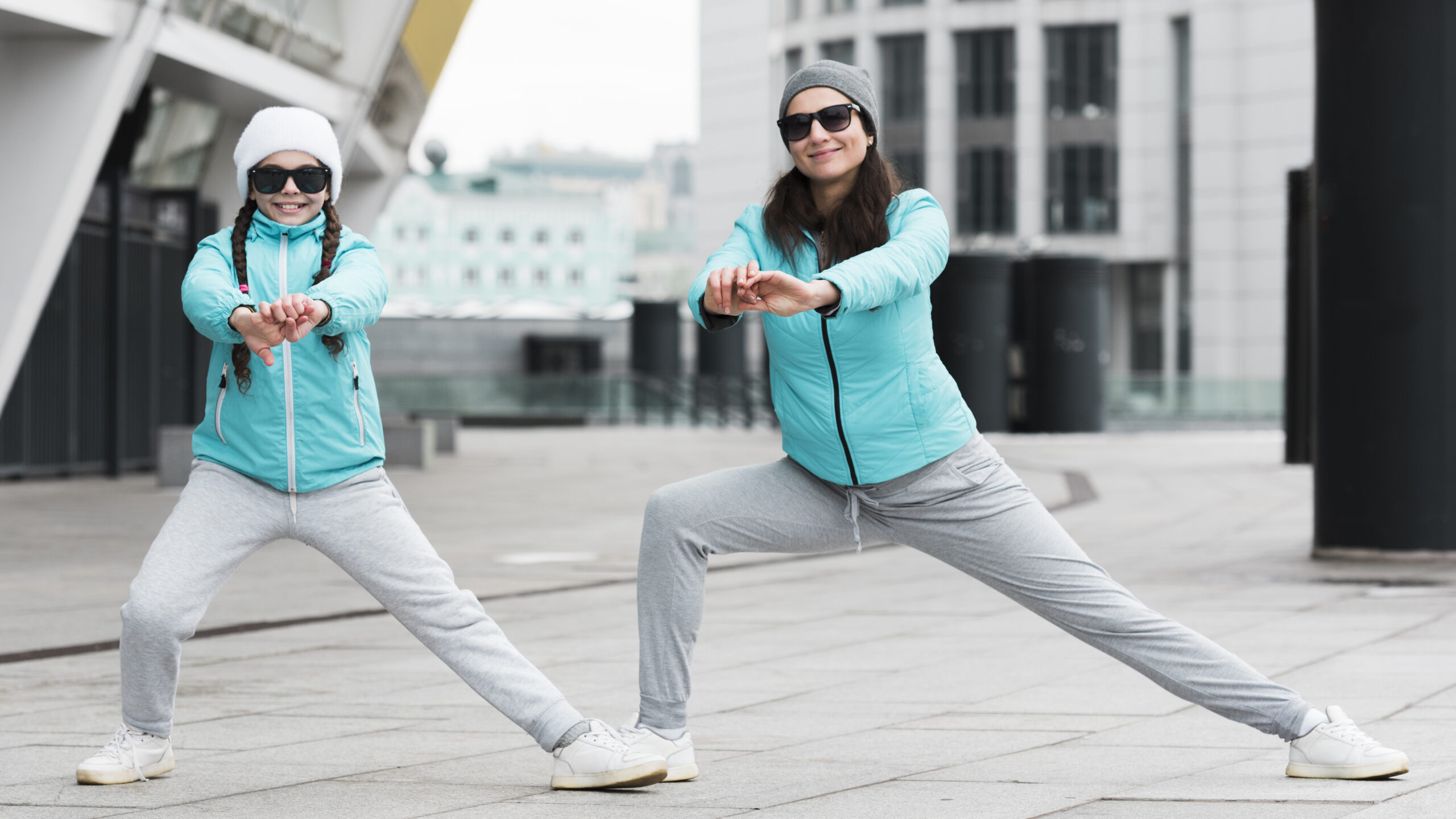
The question “is dance a sport?” sparks heated discussions in studios, gyms, and online forums worldwide. Some dancers bristle at the comparison, while competitive performers proudly claim their athletic status. Meanwhile, traditional sports enthusiasts often dismiss dance as purely artistic expression.
- Defining Sports: What Makes an Activity Qualify?
- The Athletic Demands of Dance
- Competitive Dance: Where Art Meets Sport
- The Artistic Element: Dance’s Unique Position
- Expert Opinions and Official Recognition
- Why Some Dancers Reject the “Sport” Label
- The Hybrid Reality: Both Sport and Art
- Practical Implications of Dance as Sport
- Final Verdict: Yes, Dance Can Be a Sport
This debate isn’t just semantics. It affects funding, recognition, media coverage, and how millions of performers view their craft. Let’s examine both sides using evidence, expert opinions, and real-world examples.
Defining Sports: What Makes an Activity Qualify?

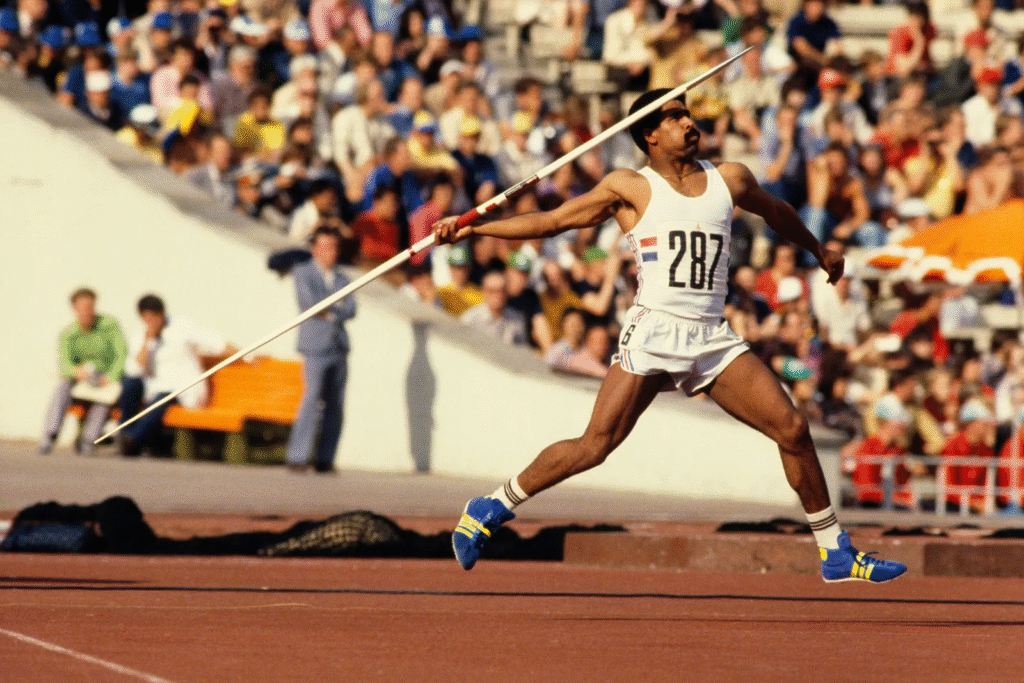
Before determining if dancing qualifies as a sport, we need clear criteria. The International Olympic Committee and major sports organizations typically recognize activities as sports when they include:
Physical exertion and skill – Participants must demonstrate measurable athletic ability and conditioning. Dancing demands incredible stamina, with professional dancers training 6-8 hours daily, matching or exceeding many traditional athletes.
Competition and scoring – Sports involve competitors judged by objective or standardized criteria. Ballroom competitions, breakdancing battles, and dance sport championships use structured scoring systems similar to gymnastics or figure skating.
Governing bodies and regulations – Organized sports have official associations that set rules. The World DanceSport Federation (WDSF) governs competitive dance internationally with strict regulations.
Training and technique – Athletes require dedicated practice to master their discipline. Dancers undergo years of technical training, learning precise movements, muscle memory, and performance skills.
By these standards, competitive dance absolutely checks every box.
The Athletic Demands of Dance
Anyone who questions whether dance requires athletic ability hasn’t spent time in a professional studio. The physical requirements rival or surpass many traditional sports.
Cardiovascular endurance – A single ballet performance can burn 300-400 calories. Hip-hop dancers maintain high-intensity movement for extended periods. Studies show competitive dancers have VO2 max levels comparable to soccer players and runners.
Strength and power – Male ballet dancers lift partners weighing 100+ pounds overhead repeatedly. Breakdancers perform gravity-defying freezes and power moves requiring exceptional core and upper body strength.
Flexibility and range of motion – Dancers achieve splits, extreme extensions, and joint mobility that gymnasts would envy. This flexibility prevents injury and enables technical excellence.
Injury rates – Professional dancers face injury rates similar to football players. Common issues include stress fractures, torn ligaments, and overuse injuries. The physical toll proves the athletic nature of the discipline.
Research from the University of Wolverhampton found that elite dancers train with intensity matching Olympic athletes, contradicting the notion that dance lacks athletic rigor.
READ MORE: County Sports Partnerships
Competitive Dance: Where Art Meets Sport
Competitive dance formats clearly establish the activity as sport. These events feature structured competition, measurable standards, and athletic performance.
DanceSport competitions – Recognized by the International Olympic Committee since 1997, DanceSport includes ballroom styles like waltz, tango, quickstep, and Latin dances. Competitors are judged on technical precision, timing, and execution.
Breakdancing at the Olympics – Breaking debuted at the 2024 Paris Olympics, cementing dance’s status as an Olympic sport. Judges score battles based on technique, variety, performance, and musicality.
Dance team championships – High school and college dance teams compete nationally with rules, judging panels, and point systems. These competitions mirror traditional sports tournaments in structure and intensity.
National and international rankings – Professional dancers climb ranking systems based on competitive results, just like tennis players or martial artists.
The competitive framework removes ambiguity. When dancers compete for medals, rankings, and championships under standardized rules, they’re participating in sport by every definition.
The Artistic Element: Dance’s Unique Position
Here’s where the debate gets interesting. Unlike basketball or swimming, dance carries an inherent artistic component that other sports don’t emphasize.
Creative expression – Dancers interpret music, convey emotion, and tell stories through movement. This artistic layer distinguishes dance from purely athletic pursuits.
Subjective judging – While competitions use rubrics, artistic impression plays a role in scoring. This subjectivity exists in sports like gymnastics and figure skating, yet those are universally accepted as sports.
Performance art roots – Dance emerged as entertainment and cultural expression long before competitive formats existed. This history makes some performers reject the sports label.
Many dancers embrace both identities. They train like athletes but perform as artists. This duality doesn’t diminish the athletic achievement; it enhances the discipline’s complexity.
Expert Opinions and Official Recognition
Leading sports authorities increasingly recognize dance as legitimate sport.
The International Olympic Committee granted provisional recognition to DanceSport in 1997, with full recognition following. This official status places competitive dance alongside swimming, track, and other Olympic events.
NCAA programs – While not sanctioned as an official NCAA sport, competitive dance teams receive athletic department funding at many universities, acknowledging the physical demands.
Sports medicine professionals – Orthopedic surgeons and physical therapists treat dancers using protocols developed for athletes. The medical community recognizes dancers as performers with sport-level physical stress.
Dr. Matthew Wyon, a researcher specializing in dance science, notes that elite dancers display “physiological capacities that equal or exceed those of recognized athletes in other sports.”
Why Some Dancers Reject the “Sport” Label
Not everyone celebrates dance’s athletic recognition. Many performers resist the sports classification for valid reasons.
Artistic integrity concerns – Some fear that emphasizing athletics diminishes dance’s expressive and cultural significance. They worry about reducing centuries-old art forms to competitive scores.
Cultural and traditional perspectives – Classical ballet, modern dance, and cultural dances weren’t created for competition. Framing them as sports can feel reductive to their original purpose.
Community identity – Dance communities often pride themselves on being different from traditional sports culture. The collaborative, creative environment contrasts with competitive athletics.
These concerns deserve respect. Dance can be simultaneously sport and art, competitive and expressive, athletic and creative.
The Hybrid Reality: Both Sport and Art
Perhaps the most accurate answer is that dance occupies a unique space. It’s an athletic endeavor that requires sport-level physical conditioning while maintaining artistic expression.
Context matters – A competitive breakdancer in an Olympic battle participates in sport. A contemporary dancer performing choreographed pieces in a theater engages in performance art. The same person might do both.
Different dance styles have different focuses – Competitive ballroom leans heavily toward sport. Interpretive modern dance emphasizes artistry. Hip-hop battles blend both elements naturally.
Individual perspective shapes identity – Dancers can choose how they view their practice. Some train with athletic intensity for artistic goals. Others compete with artistic expression as their athletic advantage.
This flexibility doesn’t create confusion; it demonstrates dance’s rich complexity and versatility.
Practical Implications of Dance as Sport
Recognizing dance as sport has real-world consequences beyond philosophical debates.
Funding and resources – Sports classification can unlock government funding, facility access, and institutional support previously unavailable to dancers.
Scholarship opportunities – Student dancers can pursue athletic scholarships and training programs when dance gains sports status.
Health insurance and worker’s compensation – Professional dancers may access better coverage when classified as athletes rather than entertainers.
Legitimacy and respect – Official sports recognition validates the dedication, sacrifice, and achievement of competitive dancers.
Media coverage – Sports networks provide platforms for dance competitions, increasing visibility and audience reach.
These practical benefits explain why many in the dance community advocate for sports recognition while maintaining artistic values.
Final Verdict: Yes, Dance Can Be a Sport
The evidence overwhelmingly supports dance as sport when performed competitively. The athletic demands, competitive structures, official recognition, and physical requirements all align with sports criteria.