


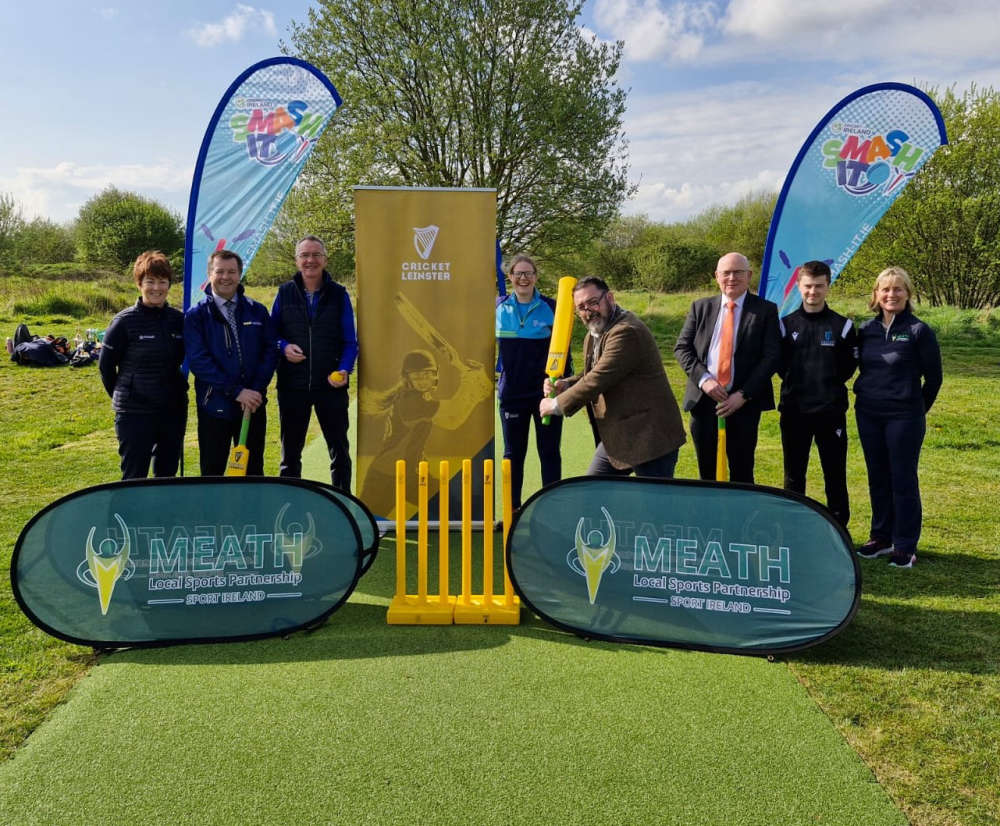
When it comes to grassroots sports development in Britain, few organisations have made as profound an impact as county sports partnerships. These networks sit at the heart of community athletics, working tirelessly behind the scenes to get more people active, healthier, and engaged with physical activity across every demographic.
What Are County Sports Partnerships?
County sports partnerships represent collaborative networks that bring together local authorities, national governing bodies, schools, clubs, and community organisations. Their primary mission? Breaking down barriers to sport and physical activity at the local level.
Think of them as the connective tissue between national sports policy and your local park’s Saturday morning football club. These partnerships don’t just talk about increasing participation—they roll up their sleeves and make it happen through targeted programmes, funding allocation, and strategic coordination.
The beauty of this model lies in its localised approach. Unlike one-size-fits-all national programmes, county partnerships understand the unique challenges facing their communities. Whether it’s deprivation in urban areas, transport issues in rural regions, or cultural barriers within specific demographics, these organisations develop tailored solutions.
The Evolution of Sports Partnership Networks

The concept emerged from Sport England’s strategy to create sustainable infrastructure for community sport. Before these partnerships existed, grassroots initiatives often operated in isolation, duplicating efforts and competing for the same limited resources.
Early iterations focused primarily on school sport, but the remit has expanded dramatically. Today’s partnerships tackle everything from inactive adults to disability sport, workplace wellness to mental health through movement.
Recent data shows that areas with active county sports partnerships see participation rates up to 15% higher than regions without coordinated networks. That’s not coincidental—it’s the result of strategic planning, shared resources, and unified vision.
How County Sports Partnerships Actually Work
The operational model centres on collaboration rather than competition. Here’s the practical breakdown:
Strategic Planning: Partnerships conduct thorough needs assessments, identifying gaps in provision and underserved populations. They analyse participation data, consult with communities, and establish measurable objectives.
Resource Coordination: Instead of ten organisations separately applying for funding, partnerships pool expertise and coordinate applications. This approach maximises success rates and prevents resource wastage.
Programme Delivery: From multi-sport festivals to targeted interventions for inactive groups, partnerships either deliver directly or enable delivery through member organisations. The key difference? Everything’s coordinated to avoid overlap.
Quality Assurance: Partnerships maintain standards across programmes through workforce development, safeguarding protocols, and continuous evaluation. Coaches receive training, facilities meet requirements, and participants get consistent quality.
Key Stakeholders and Their Roles
Understanding who’s involved clarifies how partnerships achieve such comprehensive reach:
Local authorities provide funding, facilities, and strategic alignment with public health objectives. They’re often anchor partners, ensuring programmes complement broader community development.
National governing bodies contribute technical expertise, coach education, and pathways from participation to performance. They ensure activities meet sport-specific standards while feeding talent into competitive structures.
Educational institutions—from primary schools to universities—offer access to young people, facilities during off-peak hours, and embedded physical education expertise.
Voluntary sports clubs deliver grassroots coaching and competitive opportunities. Partnerships help these clubs become more sustainable, inclusive, and professionally managed.
Healthcare providers increasingly recognise sport’s role in preventative health. Partnerships facilitate referral schemes where GPs prescribe physical activity for conditions from diabetes to depression.
READ MORE: StreamEast WWE SmackDown
The Impact on Community Health and Wellbeing
The benefits extend far beyond trophy cabinets and league tables. Research consistently demonstrates that communities with strong sports partnerships experience measurable improvements across multiple domains.
Physical health outcomes show reduced obesity rates, particularly among children. Regular monitoring in partnership areas reveals sustained increases in cardiovascular fitness and muscular strength among participants.
Mental wellbeing improvements often surprise people who view sport purely physically. Structured activity provides routine, social connection, and achievement—powerful antidotes to anxiety and isolation. Partnership programmes specifically targeting mental health have shown remarkable efficacy.
