


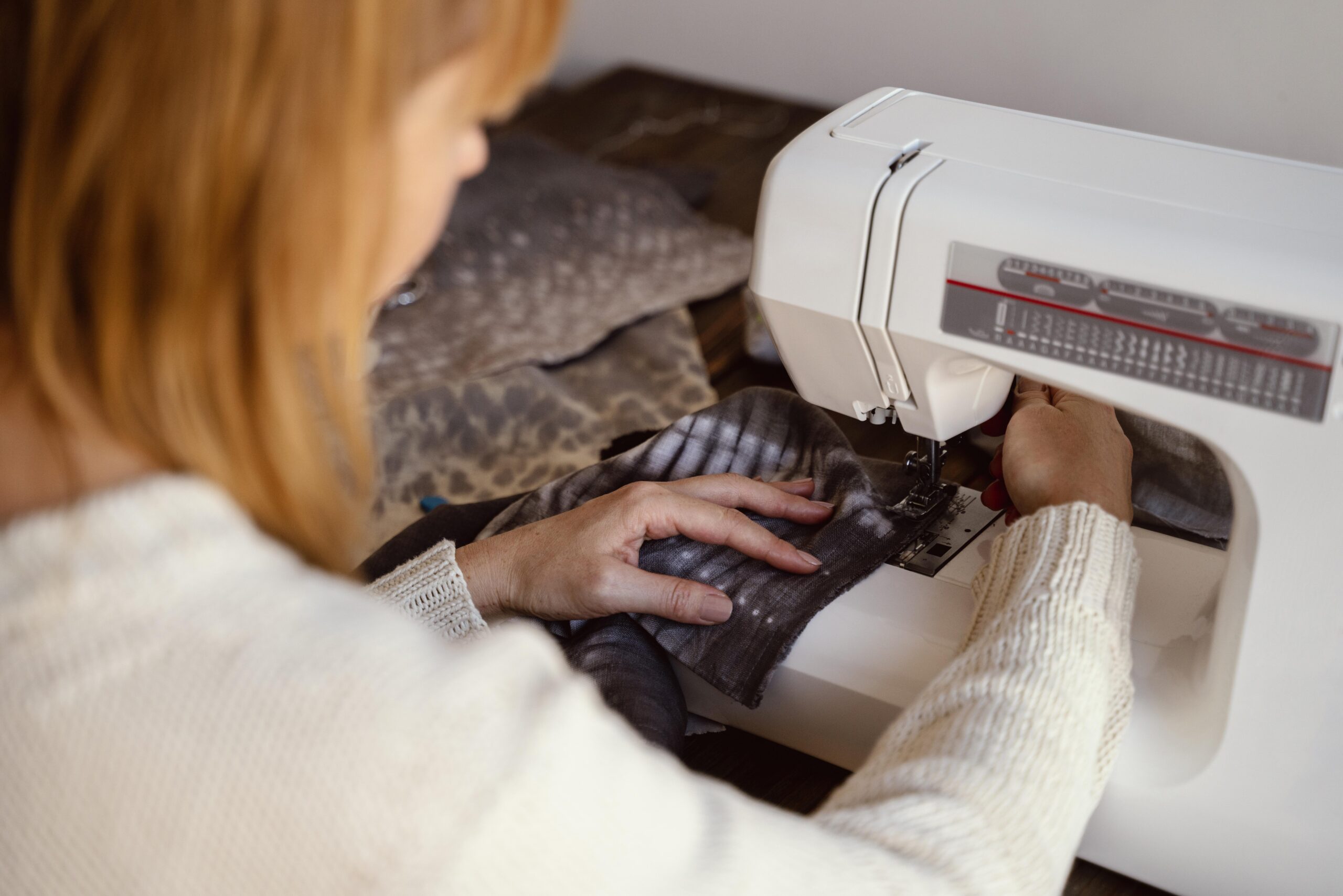
Ever been in the middle of a perfect design… and snap — the thread breaks again?
- Why Do Embroidery Machine Thread Breaks Happen?
- 1. Incorrect Thread Tension
- 2. Low-Quality or Old Thread
- 3. Needle Problems
- 4. Poor Digitizing (Design Issues)
- 5. Machine Speed Too High
- 6. Lint and Dirt Build-Up
- 7. Improper Threading
- Quick Troubleshooting Checklist
- Extra Tips for Smooth Embroidery
- Conclusion
- FAQs
Frustrating, right?
Embroidery machine thread breaks are one of the most common issues beginners and professionals face. The good news is, most of the time, the problem is easy to fix once you know what to look for.
Let’s break it down in a simple, practical way.
Why Do Embroidery Machine Thread Breaks Happen?
Thread breaking is not random. It usually happens because something is off in your setup.
Here are the most common reasons:
- Incorrect thread tension
- Poor-quality thread
- Needle issues
- Improper digitizing
- Machine speed too high
- Dirt or lint buildup
Think of your machine like a team. If one part is out of sync, everything suffers.
1. Incorrect Thread Tension
How It Causes Thread Breaks
If the tension is too tight, the thread gets pulled too hard and snaps.
If it’s too loose, it can tangle and eventually break.
Quick Fix
- Adjust upper thread tension gradually
- Check bobbin tension as well
- Test on scrap fabric before running the full design
2. Low-Quality or Old Thread
Why It Matters
Cheap or old thread becomes weak and brittle. It simply can’t handle high-speed stitching.
What You Can Do
- Use high-quality embroidery thread
- Store thread in a cool, dry place
- Avoid using faded or dusty spools
3. Needle Problems
A damaged or wrong needle is a major cause of embroidery machine thread breaks.
Signs of Needle Issues
- Frayed thread
- Skipped stitches
- Popping sounds during stitching
Fix It Fast
- Replace the needle regularly
- Use the correct size for your fabric
- Make sure the needle is installed properly
4. Poor Digitizing (Design Issues)
This one is often overlooked.
Bad digitizing creates unnecessary stress on the thread.
Common Design Problems
- High stitch density
- Too many trims and jumps
- Sharp direction changes
Pro Tip
At Digitizing Buddy, we always recommend clean and balanced digitizing. A well-made design runs smoothly and reduces thread breaks.
5. Machine Speed Too High
Running your machine at full speed sounds great… until things start breaking.
What Happens
High speed increases friction and heat, which weakens the thread.
Simple Solution
- Slow down the machine slightly
- Especially for detailed or dense designs
Sometimes slower is actually faster (because you avoid rework).
6. Lint and Dirt Build-Up
Embroidery machines collect lint quickly, especially around:
- Bobbin case
- Needle plate
- Thread path
Why It Causes Breaks
Lint blocks smooth thread movement, causing tension problems.
Easy Maintenance Tip
- Clean your machine daily
- Use a small brush or air blower
- Oil the machine as recommended
7. Improper Threading
Even a small mistake in threading can lead to constant breaks.
Check These Points
- Is the thread following the correct path?
- Is it seated properly in tension discs?
- Is the presser foot up while threading?
Re-threading the machine often solves the issue instantly.
Quick Troubleshooting Checklist
Next time you face embroidery machine thread breaks, go through this:
- Change the needle
- Re-thread the machine
- Check thread quality
- Adjust tension
- Clean lint and dust
- Reduce speed
- Review design file
This simple checklist saves time and frustration.
Extra Tips for Smooth Embroidery
- Match needle and thread size properly
- Use the right stabilizer for fabric
- Avoid overly dense designs
- Keep your machine well-maintained
- Always run a test stitch
Small habits make a big difference.
Conclusion
Embroidery machine thread breaks can feel annoying, but they’re usually easy to fix.
Most issues come down to tension, thread quality, needle condition, or design problems.
Once you understand the root cause, you can fix it quickly and keep your machine running smoothly.
Stay patient, test often, and remember — even experienced embroiderers deal with thread breaks sometimes.
FAQs
1. Why does my embroidery thread keep breaking?
It usually happens بسبب tension issues, poor thread quality, needle damage, or bad digitizing.
2. How often should I change my embroidery needle?
It’s best to change the needle after every 8–10 hours of stitching or when you notice issues.
3. Can digitizing affect thread breaks?
Yes, poor digitizing with high density or bad stitch paths can cause frequent thread breaks.
4. What type of thread is best for embroidery machines?
High-quality polyester or rayon embroidery threads are commonly used for durability and smooth stitching.
5. How do I reduce thread breaks quickly?
Start by re-threading the machine, changing the needle, and lowering the speed. These fixes work in most cases.
